Storytelling / Economic literacy / Digital education
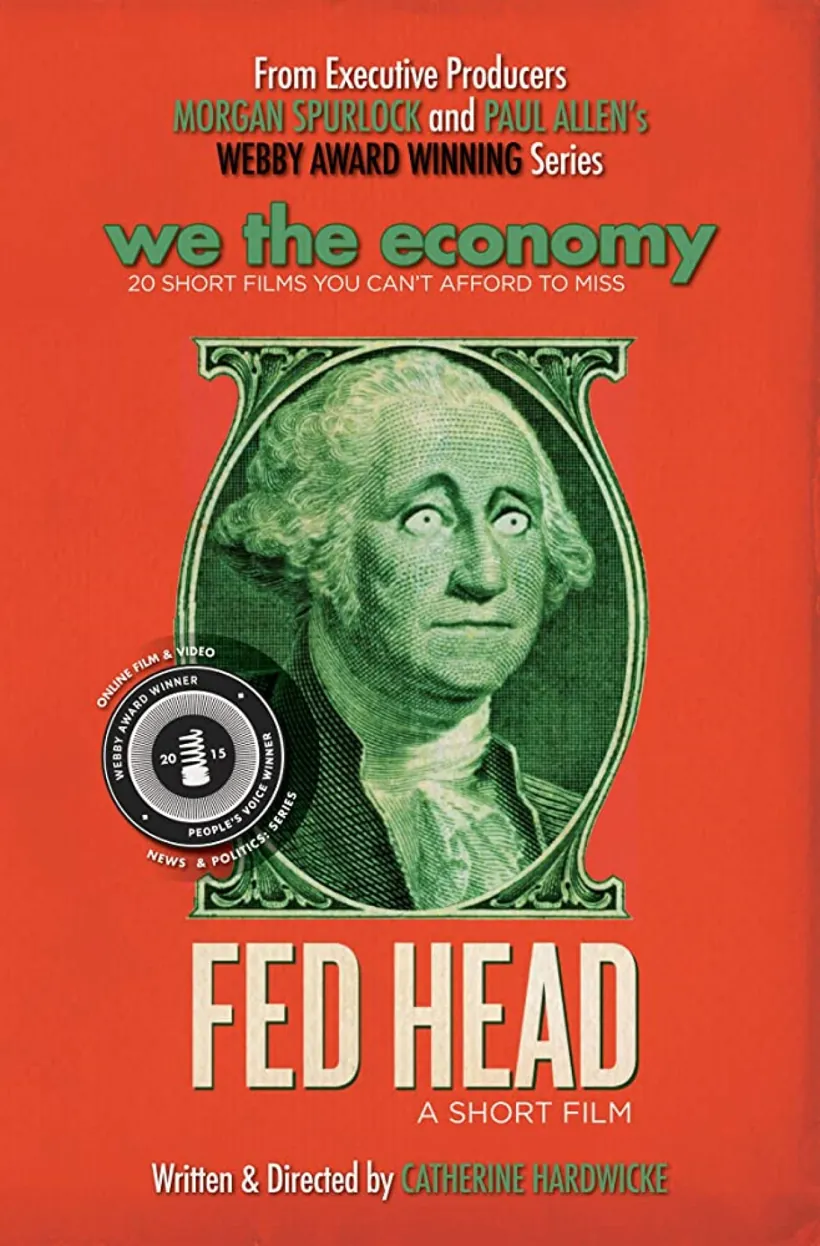
We The Economy
Everyone talks about the economy. What if more of us could understand it?
The economy shapes the choices we make and the opportunities available to us. Yet for many people, its basic workings can feel remote, complicated, or simply too intimidating to ask about.
Paul G. Allen believed there was a better way in. Working with Cinelan and an extraordinary group of filmmakers and economic thinkers, Vulcan Productions helped create a collection of short films that approached money, inequality, work, and government with humor, imagination, and curiosity. The idea wasn't to tell people what to think. It was to make the subject approachable enough that they would want to keep learning.
A different way in
Make it human. Make it memorable.
The films weren't lectures. They were invitations.
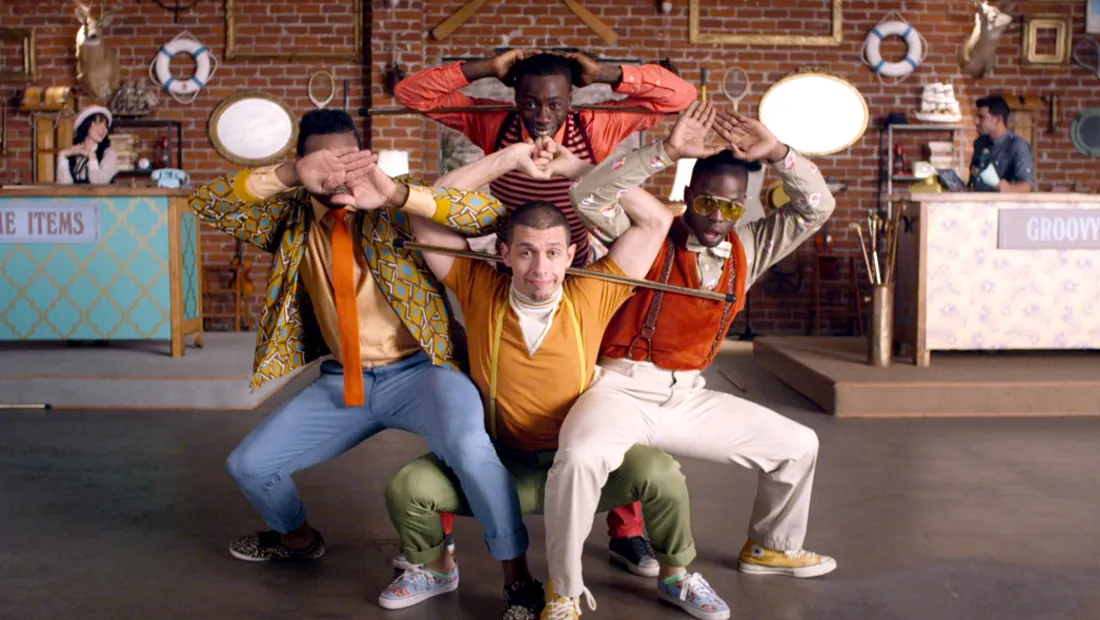
One filmmaker used animation. Another chose comedy, documentary, drama, or even dance. Each found a different way to make an economic idea feel relevant to everyday life. Together, the films showed that learning doesn't have to begin with a textbook, and that a complicated subject can become a conversation.
That variety was essential. No single creative approach would reach everyone, so we built a collection with many points of entry, then made the films free to watch across a broad network of platforms.
2015 Webby Award Winner · Online Film & Video, News & Politics: Series
The films, discussion guides, and companion materials were designed to work together.
Beyond the films
The opportunity was what came next.
A film sparks curiosity. A classroom could carry it forward.
As the Director of Digital Experiences for Vulcan Productions, I shaped the digital strategy and the ways people would discover, explore, and use the films. Working with TruckStop Media and our production teams, I oversaw the creation of the website and apps, digital education tools, branding, social strategy, and digital measurement.
We wanted the experience to continue after someone pressed stop. Educators needed materials they could use, adapt, and return to. The companion curriculum offered discussion questions and activities for students from middle school through college, giving teachers a way to turn a short film into a much longer conversation.
It was an early lesson for me in connected storytelling: the films could stand on their own, but the surrounding tools helped them become something more useful.
The long tail
A launch can be big. A learning resource can last.
The films reached audiences across dozens of distribution channels. But the most lasting measure of success may be what happened after the initial campaign: teachers and students continuing to find and use the films, lessons, and activities years later.
The figures below reflect cumulative reporting as of 2020, not current annual totals. The education materials remain available, and the films continue to offer new audiences a way into a subject that affects their everyday lives.
What stayed with me is the value of building something useful around a story. The launch can introduce an idea. The tools we leave behind can help that idea keep traveling.
That's the part of We The Economy that has stayed with me. A campaign can capture attention for a moment. Build something genuinely useful around a story, and people can keep finding reasons to return to it long after the launch is forgotten.
Audience
20M+ video views
Across the free film collection, through 2020.
Awareness
1B+ media impressions
Reported reach across the campaign through 2020.
Education
20K+ curriculum downloads
Teaching materials used from middle school through college, with resources continuing to circulate.