Documentary / Creative leadership
Hunger Ward
When a film becomes a catalyst for change.
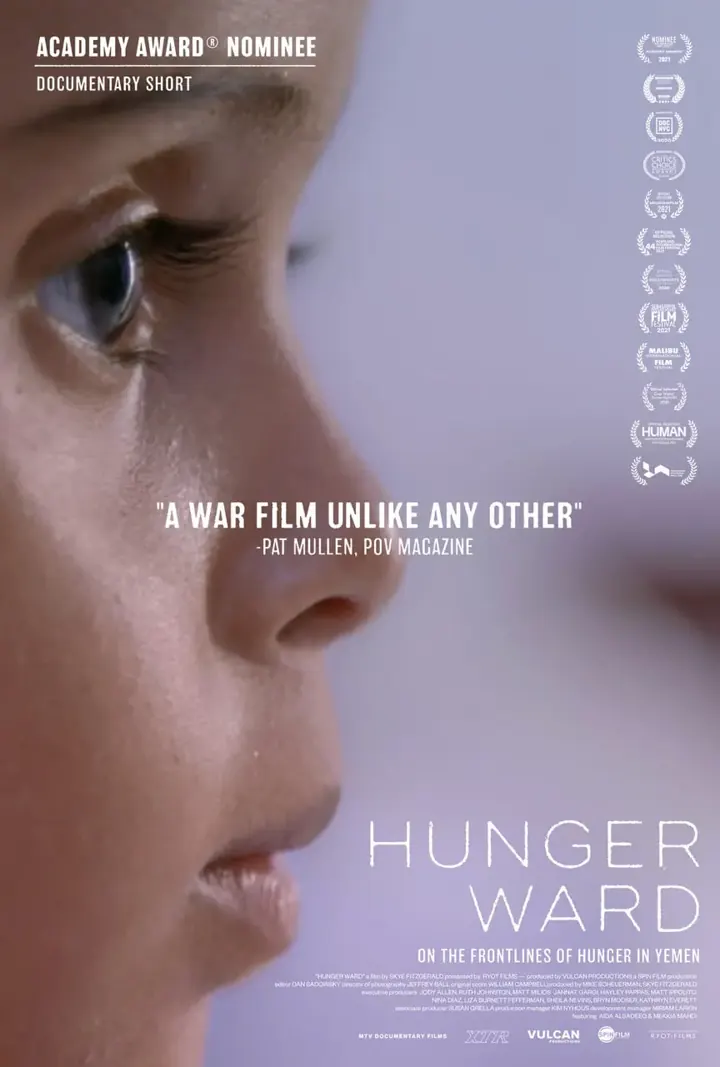
Hunger Ward follows two healthcare workers fighting to save children from starvation amid Yemen’s war. Directed by Skye Fitzgerald, the film was nominated for an Academy Award in 2021.
The film changed how I thought about storytelling, the responsibilities we have to our subjects, and the impact a single story could have.
Behind the story
The responsibility of telling the truth.
When people trust you with their most vulnerable moments, you owe them honesty.
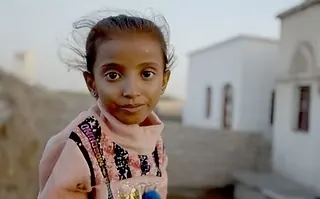
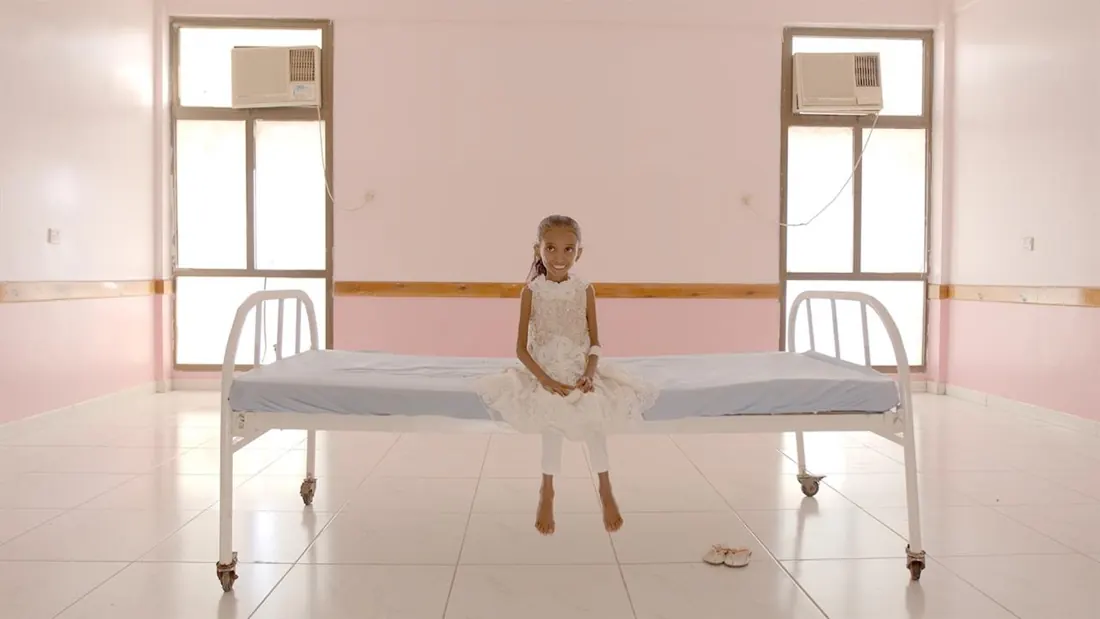
The families and healthcare workers in Hunger Ward gave the filmmakers extraordinary access to moments of suffering, care, and sometimes death. Skye had promised them he would not look away or soften what was happening. I believed in that promise. The images could be painful to witness, but the people who allowed us into their lives deserved to have their reality shown honestly.
As Vulcan Productions’ creative lead, I joined Skye, the producer, and the editor in reviewing every cut. It was a collaborative process that demanded judgment, trust, and restraint. My role included creative approvals, but the lesson I carried away was less about authority than about our responsibility to the people whose stories we tell.
Beyond the screen
A story that could travel.
A powerful story will open the door to change
Hunger Ward showed me what long-form storytelling could do that a campaign or a single piece of content often cannot: give people the time to see someone else’s life with greater clarity and empathy. But we also knew that watching the film could not be the only way to encounter its story.
I led the creation of short videos from material not used in the film, a digital home for the film and the campaign, and social storytelling to reach different audiences and support the work of humanitarian organizations. Screenings and conversations with journalists, advocates, and policymakers gave the film a life beyond the screen. The goal was not just attention, but understanding that people could carry into their own work.
The impact
What happened next.
Attention mattered because people found ways to act on it.
More than 200 advocacy organizations partnered with the filmmakers during the campaign. In April 2021, the film’s creators joined a coalition of more than 70 national organizations urging President Biden to address restrictions on food, fuel, and medicine reaching Yemen.
In the months following the film’s 2020 premiere, the United States announced changes to support for offensive operations in Yemen and related arms sales; Italy also revoked certain weapons-export licenses. Those decisions had many causes, but they were part of the policy conversation the film and its partners worked to inform.
Advocacy network
200+ organizations
Partnered with the filmmakers to extend the story into humanitarian and policy conversations.
Coordinated action
70+ organizations
Joined an April 2021 appeal to the White House that included the film’s creators.
Policy context
2021 shifts
U.S. and Italian decisions changed aspects of military support and arms exports during the wider advocacy effort.
These were collective advocacy efforts and contemporaneous policy developments, not changes attributable to the film alone.